What's actually in a chia seed
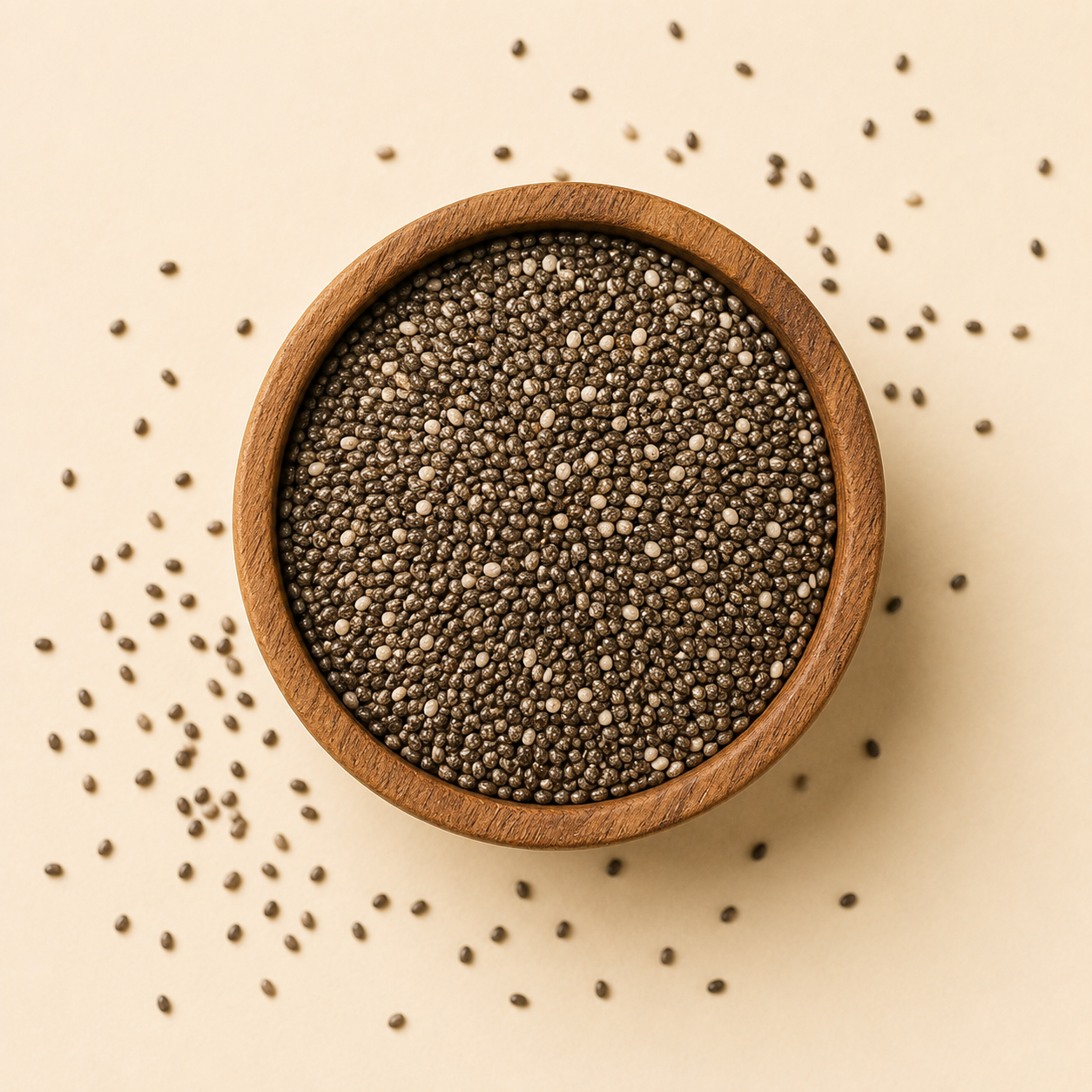
For their size, chia seeds carry a genuinely dense nutrition profile. A single ounce (about two tablespoons) delivers close to 10 grams of fibre, a meaningful amount of plant protein, and roughly 9 grams of fat — most of it healthy, omega-3-rich fat. On top of that, chia brings calcium, magnesium, phosphorus, iron, zinc, and a spread of B-vitamins.
Chia is technically a member of the mint family, grown from the Salvia hispanica plant — which is part of why it pairs so easily with the other botanicals we use. Its neutral flavour means it adds nutrition without changing how a drink tastes.
Fibre and the gel effect
Chia's fibre is a mix of insoluble fibre and mucilage — the substance responsible for that gel-like texture chia takes on once it's mixed into liquid. This mucilage acts like soluble fibre: it slows digestion, helps moderate the blood sugar spike after a meal, and can support lower LDL ("bad") cholesterol over time.
What this looks like day-to-day
- A steadier feeling of fullness after eating or drinking chia
- Gentler, more regular digestion thanks to the added bulk
- Less of a blood sugar spike-and-crash compared to fibre-free drinks
"Chia doesn't just add fibre — it slows everything down in a way that keeps energy steadier."
Plant-based omega-3s
Roughly 60% of the oil in chia seeds comes from alpha-linolenic acid (ALA), a plant-based omega-3 fatty acid. Your body can't produce ALA on its own, so it has to come from food — and for anyone eating plant-forward or avoiding fish, chia is one of the most concentrated sources available. ALA has been linked in research to a lower risk of heart disease, though most of the strongest evidence for omega-3 benefits still comes from marine sources like fish oil.
Heart health and blood sugar
Between the fibre and the omega-3 content, chia seeds show up repeatedly in research on cardiovascular health — supporting healthier cholesterol levels, more stable blood pressure, and better blood sugar regulation. Chia also contains antioxidant compounds like chlorogenic acid and quercetin, both studied for their role in fighting oxidative stress and supporting long-term heart health.
Weight management
When chia seeds are mixed into liquid, they absorb many times their weight and swell into a gel. Eaten this way, they take up real volume in the stomach, which can increase fullness and reduce how much you eat afterward. It's not a shortcut on its own, but it's a genuinely useful tool alongside a reasonable diet.
How to actually eat more of it
- Soaked in water or milk overnight — the classic chia pudding, ready by morning
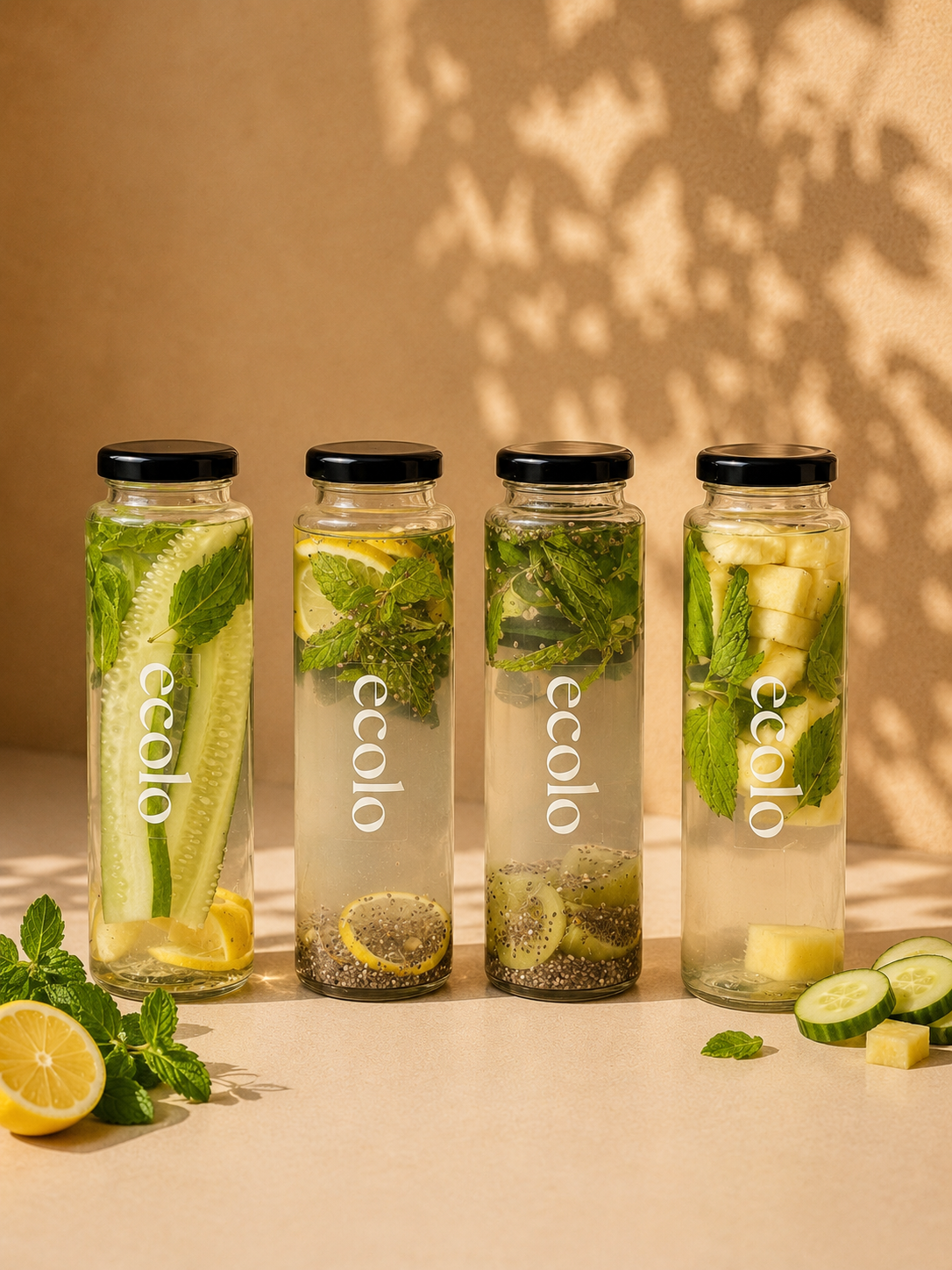
- Stirred into a drink or smoothie — the seeds swell in place and add texture without changing flavour
- Sprinkled over oatmeal or yoghurt — an easy way to add fibre to an existing breakfast
- Always with enough liquid — chia expands, so give it something to expand into
This is why chia is one of the quieter ingredients in our blends — it's not doing the flavour work, it's doing the steady-energy, fullness, and fibre work in the background.
Frequently asked questions
Do chia seeds need to be soaked before eating?
Not strictly, but soaking lets them absorb liquid and form their signature gel texture, which is gentler on digestion. Eaten completely dry in large amounts, they can absorb moisture in the throat or gut, so soaking or eating them in a liquid is the safer, more comfortable approach.
How many chia seeds should I eat per day?
Around one to two tablespoons a day is a common, well-tolerated amount for most adults. That's enough to get meaningful fibre and omega-3 content without overloading digestion.
Do chia seeds actually help with weight loss?
They can support weight management indirectly. Chia seeds absorb liquid and expand into a gel in the stomach, which increases feelings of fullness and may reduce how much you eat afterward, but they aren't a standalone weight-loss solution.
This article is for general information and isn't medical advice. If you have a specific health condition, take blood-thinning or blood-pressure medication, or are pregnant, check with a doctor before making major changes to your diet.