What's actually in a mint leaf
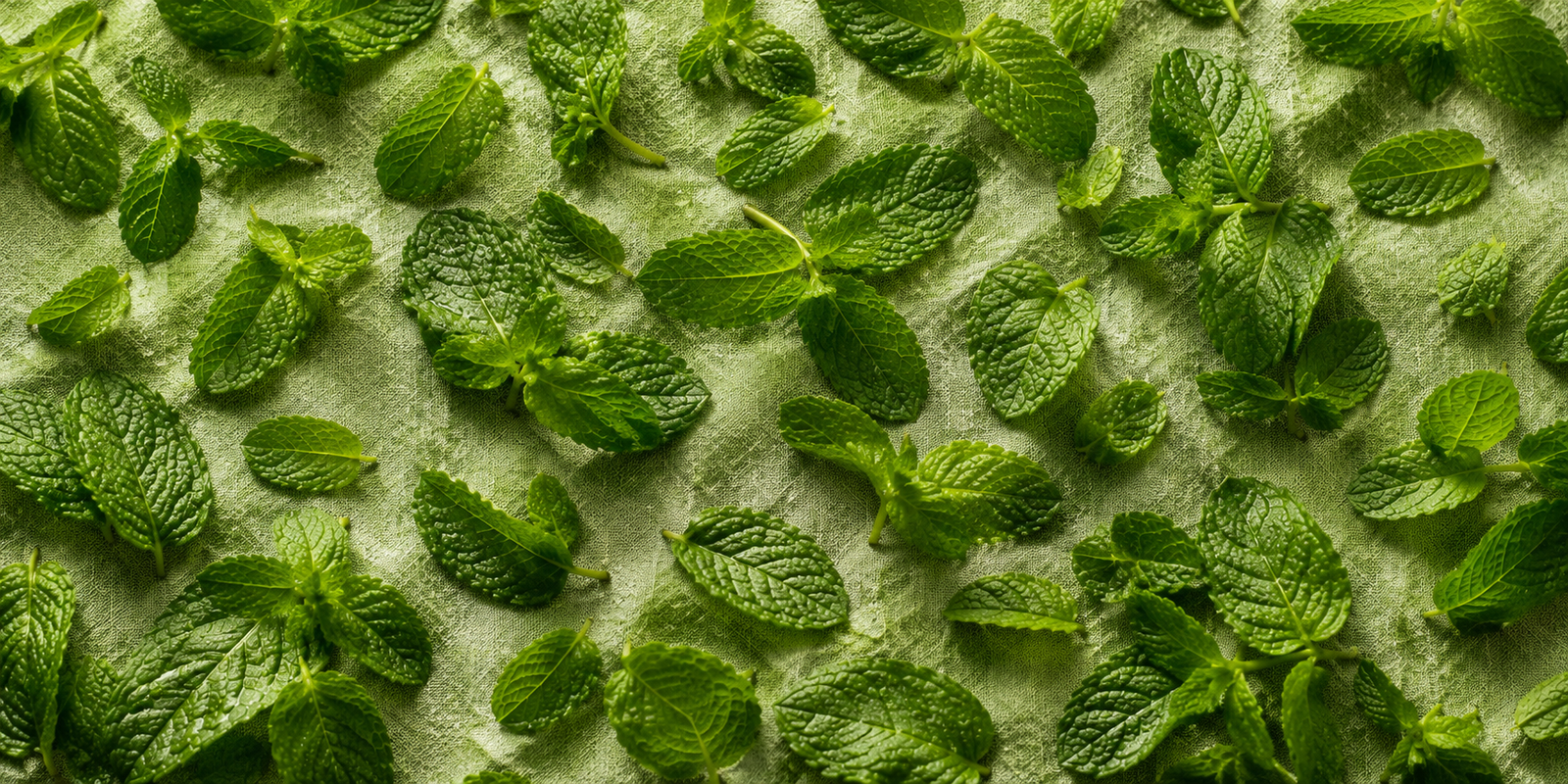
Mint is deceptively small for how much it packs in. Fresh mint leaves carry vitamin A, small amounts of vitamin C and iron, and a good dose of antioxidants — plus menthol, the essential oil compound responsible for that cooling sensation and most of mint's digestive benefits. It's low in calories and almost never eaten in large quantities on its own, which is exactly why it works best as an infusion — steeped in water, tea, or blended into a drink where its oils can actually do their work.
Mint belongs to a family of over a dozen related species — spearmint and peppermint are the two most common in kitchens and drinks — and while their intensity varies, the core benefits around digestion, breath and antioxidants hold across the family.
Digestion, bloating and gut health
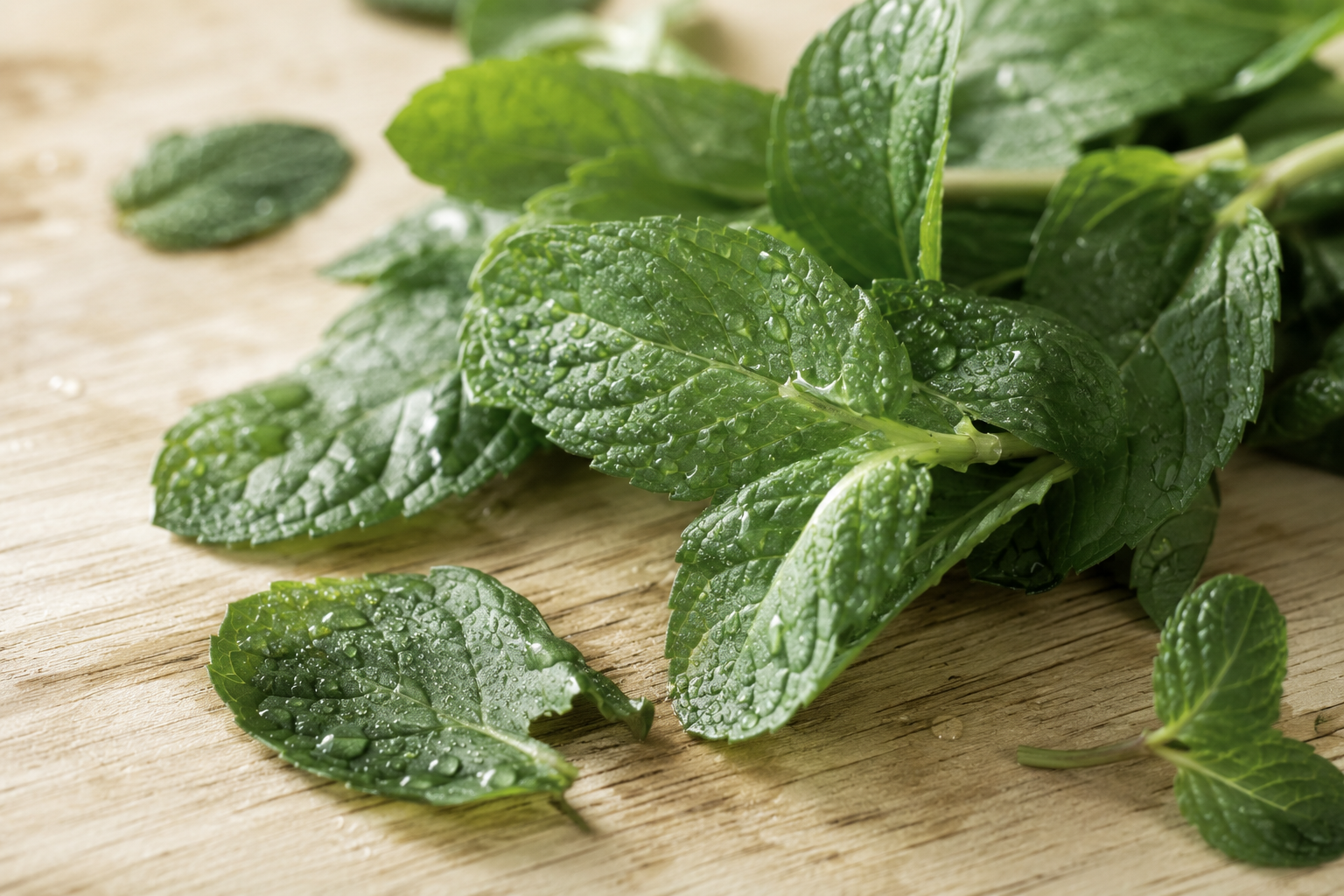
This is mint's headline benefit, and the one it's earned over centuries of use as a post-meal herb. Menthol relaxes the smooth muscles lining the digestive tract, which makes it easier for trapped gas to move through the system instead of sitting there as bloating or discomfort. Mint also encourages the release of digestive enzymes, helping the stomach process food more efficiently, which is why it's such a common ingredient after a heavy meal.
"Mint doesn't just mask a heavy meal — it helps your gut actually move past one."
Why this matters day-to-day
- Less bloating and gas after rich, oily or spicy meals
- Can ease general stomach discomfort and mild indigestion
- A gentle, caffeine-free way to settle the stomach before bed
Why mint belongs in detox water
Mint's flavour is strong enough to transform a jug of plain water into something people actually want to keep drinking, without needing sugar or artificial flavouring to do it. That matters more than it sounds — most people fall short on daily water intake simply because plain water is boring, and mint solves that problem while adding real functional value on top: better digestion, a mild diuretic effect that supports the body's natural detoxification, and an aroma that makes the whole glass feel more refreshing than it has any right to.
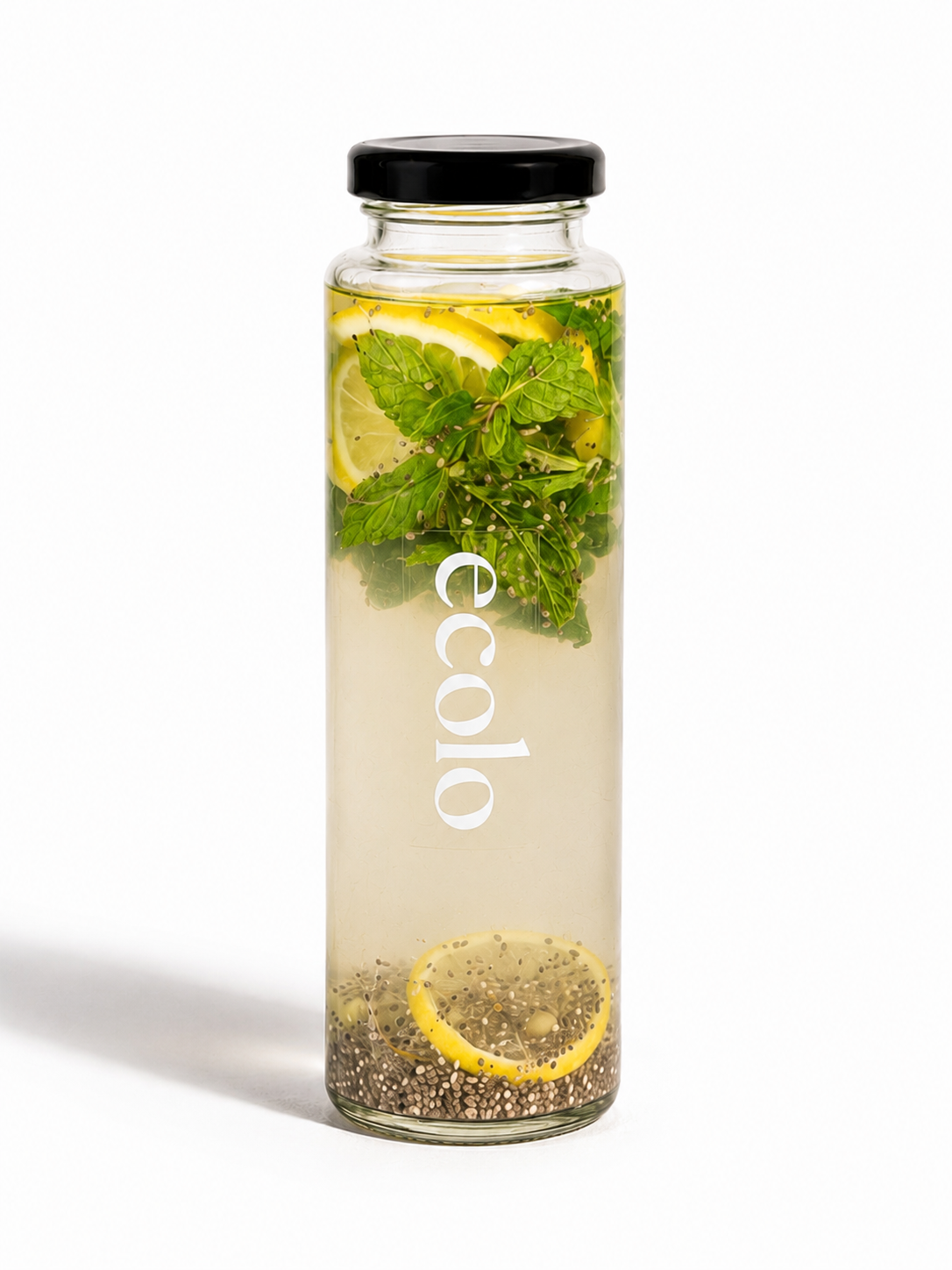
Pairing mint with cucumber and lemon is the most common detox water combination for a reason — cucumber brings hydration and a neutral base, lemon adds vitamin C, and mint ties it together while doing its own digestive and antioxidant work. Many people prefer drinking it first thing in the morning, before food, when the effect is easiest to notice.
Fresh breath and oral health
Mint's antibacterial properties are well documented, which is exactly why it's the base flavour in most toothpaste, mouthwash and chewing gum on the market. Chewing on fresh mint leaves or drinking mint-infused water helps reduce the bacteria in the mouth responsible for bad breath, while the natural aroma masks odour in the meantime. It's a small, simple habit that does more for oral freshness than most people give it credit for.
Mental clarity and stress
The scent of mint has a genuine effect on alertness and mood — the aroma is commonly used in aromatherapy to ease mild stress and improve focus. Drinking a warm or cold mint infusion during a long day can feel like a small mental reset, less because of any single active ingredient and more because the cooling, sharp aroma naturally cuts through fatigue and mental fog.
Skin, sinuses and beyond
Mint's antioxidants help fight the oxidative stress linked to skin ageing and inflammation, which is why mint extract shows up in so many skincare products. The same menthol that eases digestion also has a mild decongestant effect when inhaled as steam or tea, making mint a common home remedy for a blocked nose or the early stages of a cold. None of this replaces medical treatment, but it explains why mint has stayed a kitchen staple across so many cultures for so long.
How to actually use more of it
- Steeped in hot water — the simplest mint tea, no added sugar needed
- Infused in detox water — with cucumber and lemon, chilled overnight for the best flavour
- Muddled into drinks — mint's oils release best when lightly crushed, not just dropped in whole
- Chewed fresh — a quick, natural way to freshen breath after a meal
This is exactly why mint is one of the core ingredients across our detox blends at Ecolo — it does the quiet work of aiding digestion and freshening every sip, while cucumber and lemon carry the hydration and flavour balance.
Frequently asked questions
What does mint water actually do for your body?
Mint water combines hydration with menthol and antioxidant compounds that can ease bloating, calm the digestive tract, freshen breath and make it easier to drink more water through the day.
Is it better to drink mint water in the morning?
Many people prefer mint water first thing in the morning since an empty stomach may make it easier to notice the calming, detoxifying effect, though it can be enjoyed at any time of day.
Can mint help with bloating and indigestion?
Yes. Menthol, the main compound in mint, is known to relax the muscles of the digestive tract, which can help trapped gas move through more easily and ease feelings of bloating after meals.
This article is for general information and isn't medical advice. If you have a specific health condition or take medication, check with a doctor or dietitian before making major changes to your diet.